Source Volkswagen Dsg Solenoid Valve for Repair and Maintenance
Find the right Volkswagen Dsg Solenoid Valve for your fleet needs. Compare 30 available options including remanufactured and new units from China. Review OE numbers like 0AM325473 and 03C906455A to ensure compatibility with Audi, VW, and Skoda models; compare the available evidence and request quotations based on your requirements.
Key considerations
Products List
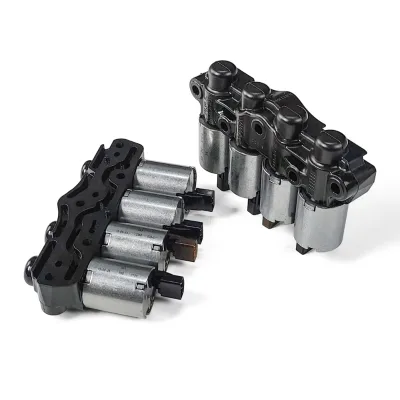
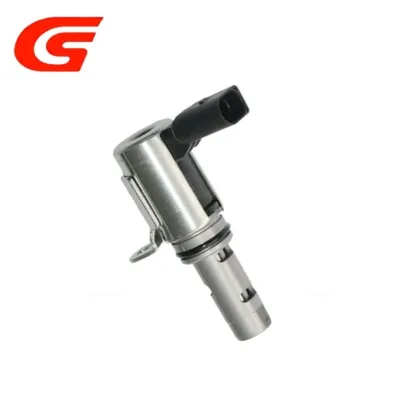
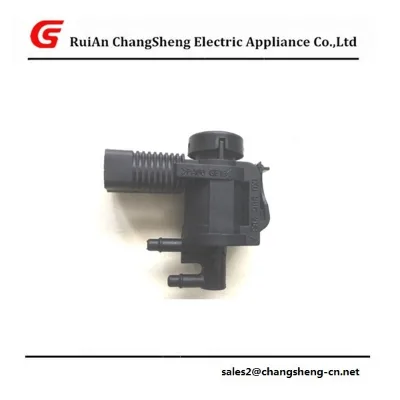
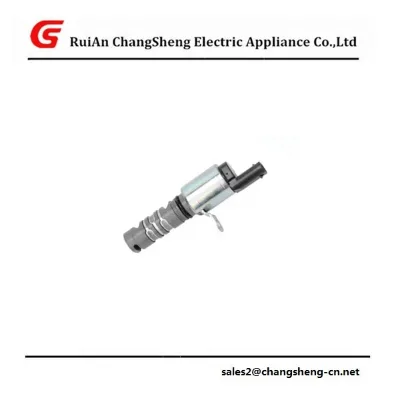


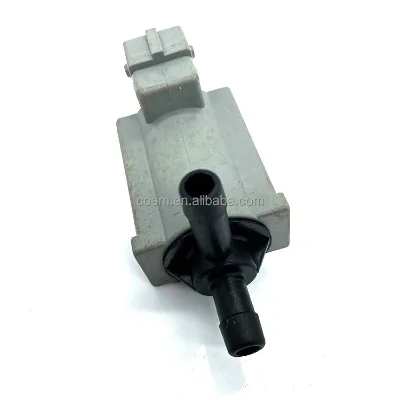


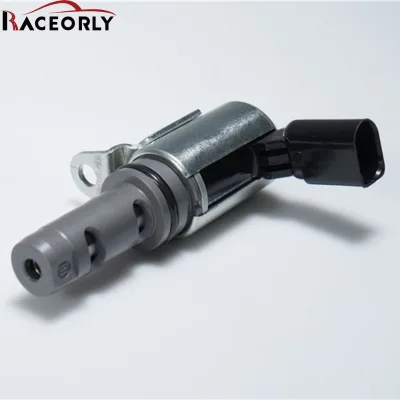


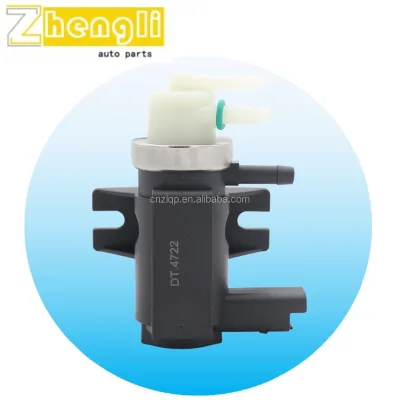


Comprehensive Sourcing Guide
Volkswagen DSG Solenoid Valve Sourcing Guide
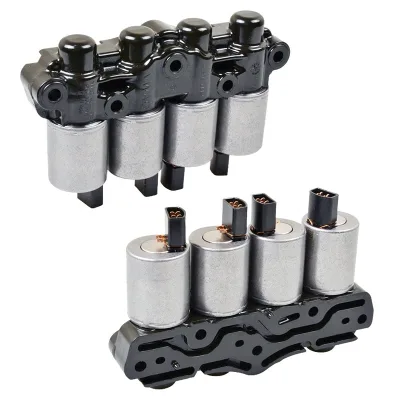
Procurement professionals must first distinguish between remanufactured and new condition units when sourcing Volkswagen DSG solenoid valves, as the supply chain offers both distinct product states. The market data indicates a significant presence of remanufactured transmission oil control solenoids alongside new valve solenoids, each carrying different implications for warranty duration and immediate performance reliability. Buyers should carefully review the condition attribute on every listing to ensure the selected unit matches the specific repair strategy, whether it involves a cost-effective replacement or a factory-fresh restoration of the transmission system.
Beyond the condition, the specific vehicle compatibility is a critical initial filter that prevents costly procurement errors. Listings explicitly target the 7-speed FWD transmission systems found in Audi, Volkswagen, Skoda, and Seat models, with specific references to the Passat platform. Sourcing teams must verify that the listed car model matches the exact transmission architecture of the fleet vehicles, as the solenoid valve is a precision component designed for specific hydraulic pressures and gear ratios unique to these DSG configurations.
Product Scope and Observed Listing Signals
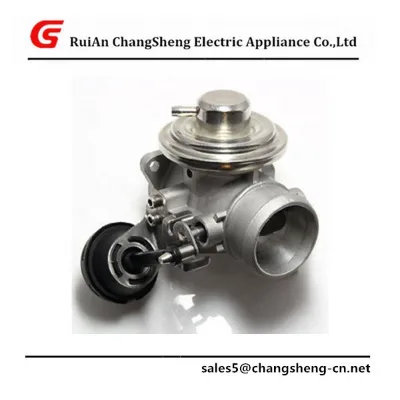
The observed product scope reveals a diverse range of solenoid types, including transmission oil control solenoids and EGR valves, which serve different functions within the vehicle's powertrain and emission systems. While the core keyword focuses on DSG solenoids, the market data shows that suppliers often bundle related components like intake manifolds or EGR valves under similar search terms. Buyers must scrutinize the product name and OE numbers to isolate the specific transmission control unit required, ensuring that the purchase order does inadvertently include unrelated emission control parts that do not fit the immediate DSG repair need.
Listing signals regarding packaging and weight provide early indicators of the product's physical integrity and shipping logistics. The data shows single package sizes ranging from 17x12x6 cm for solenoids to 20x20x20 cm for larger components, with gross weights varying significantly from 0.8 kg to 20 kg depending on the item. These physical specifications are essential for calculating accurate freight costs and determining whether the supplier utilizes neutral packing or branded cartons, which can affect the perceived value and handling requirements during the inbound logistics phase.
Technical Specifications to Verify
Technical verification begins with the precise matching of OE numbers, as the supply chain lists multiple identifiers such as 0AM325473, 03C906455A, and 03C906455A for similar applications. A single listing may reference multiple OE numbers, including variants like 06F906283F or 06F906283D, which correspond to different production batches or specific model years. Procurement teams must cross-reference these exact alphanumeric codes against the vehicle's service manual to confirm that the solenoid valve's internal circuitry and hydraulic ports align perfectly with the original equipment specifications.
The physical dimensions and material composition are equally critical to ensure a seamless fit within the transmission housing. The observed specifications mandate that the product size and engine code remain the same as the OEM original, preventing installation issues caused by dimensional variances. Buyers should verify that the material quality is explicitly stated as matching the OEM standard, as deviations in metal alloys or sealing materials can lead to premature failure, fluid leaks, or improper valve actuation within the high-pressure environment of the DSG gearbox.
Compliance and Safety Documentation
Compliance verification is paramount when sourcing automotive components, particularly given the strict regulatory environment governing vehicle safety and emissions. Some listings in the market explicitly cite adherence to the IATF16949 standard, which is the global quality management system for the automotive industry. Buyers should request proof of this certification or similar quality management documentation to ensure the supplier operates under rigorous production controls that minimize the risk of defective parts entering the supply chain.
In addition to quality management systems, specific product testing claims must be validated through available documentation. The market data includes assertions of "100% test" for certain components, suggesting that every unit undergoes functional verification before packaging. Procurement professionals should inquire about the specific test protocols used, such as electrical resistance checks or hydraulic pressure tests, to confirm that the "High-Quality" label is backed by empirical data rather than generic marketing claims.
Cost Drivers and Commercial Terms
The commercial landscape for these components is characterized by a wide price range, with observed listings spanning from 1 to 70 USD, reflecting differences in condition, brand, and volume. The presence of competitive pricing strategies suggests that buyers can negotiate effectively, but the low-end prices often correlate with remanufactured units or generic brands, while higher prices may indicate new OEM-equivalent parts with extended warranties. Understanding this price spectrum is essential for budgeting, as the lowest unit cost does not always equate to the best total cost of ownership when considering potential downtime and replacement frequency.
Payment and minimum order quantity (MOQ) terms significantly influence the financial feasibility of the procurement. The data indicates MOQs ranging from single items to 10 pieces, with payment methods including T/T and PayPal, offering flexibility for different order sizes. Buyers must evaluate whether the supplier's MOQ aligns with their inventory strategy, as ordering in bulk may reduce the per-unit cost but increase capital tie-up, while single-item purchases offer flexibility but may incur higher relative shipping costs and lack volume discounts.
Supplier Qualification and Quality Control
Supplier qualification requires a deep dive into the origin and service capabilities of the vendor, as the supply chain includes manufacturers from Guangdong, Zhejiang, and other regions in China. The geographic diversity suggests a competitive market, but buyers must verify the specific production location to assess logistics lead times and potential trade barriers. Additionally, the availability of 24-hour online service indicates a commitment to post-sales support, which is crucial for resolving technical queries or warranty claims that may arise immediately after installation.
Quality control is further reinforced by the warranty terms offered, which vary from 6 months to 12 months depending on the specific product listing. A longer warranty period often signals higher confidence in the product's durability and the supplier's willingness to stand behind their quality assurance processes. Buyers should prioritize suppliers who offer at least a 12-month warranty on new units, as this provides a safety net against early failures and demonstrates a robust internal quality control system that minimizes the risk of defective inventory.
Long-Term Procurement Checks
Long-term procurement success depends on establishing a consistent supply chain for critical transmission components that can withstand repeated demand cycles. Buyers should monitor the consistency of the OE numbers and product specifications across multiple orders to ensure that the supplier does not switch to incompatible sub-components over time. Maintaining a stable relationship with a supplier who consistently delivers parts matching the exact OEM size and material specifications is vital for minimizing vehicle downtime and ensuring fleet reliability.
Finally, the evolution of the product line and the availability of customization options should be tracked to anticipate future needs. Some listings indicate that customization is available, which could be valuable for specialized fleet requirements or older vehicle models where standard parts are becoming scarce. Procurement teams should engage with suppliers to understand their capacity for custom orders and their ability to adapt to changing vehicle models, ensuring that the supply chain remains resilient and capable of supporting the long-term maintenance needs of the Volkswagen DSG transmission systems.
FAQs
What OE numbers are compatible with this solenoid valve?
Compatible OE numbers include 0AM325473, 03C 906 455 A, and 03C906455A. These identifiers ensure proper fitment for Audi, Volkswagen, Skoda, Seat, and Passat models. Always verify your vehicle's specific part number before purchasing to guarantee correct installation and optimal transmission performance.
Which car models support this transmission oil control solenoid valve?
This valve supports Audi, Volkswagen, Skoda, Seat, and Passat models. It is specifically designed for 7-speed FWD transmissions. The product matches OEM sizes and specifications, ensuring seamless integration with your vehicle's existing transmission system without requiring modifications or additional adapters.
Can I get a warranty for the remanufactured solenoid valve?
Yes, remanufactured options typically offer a six-month warranty. New condition variants may provide a twelve-month warranty. These warranties cover manufacturing defects and ensure product reliability. Buyers should retain proof of purchase to validate warranty claims and secure support during the coverage period.
What is the minimum order quantity for bulk purchases?
The minimum order quantity ranges from one to one hundred units. Some suppliers require a minimum of ten pieces for certain listings. This flexibility allows both individual repairs and larger fleet maintenance projects to source the necessary components efficiently without excessive inventory costs or storage requirements.
Where are these solenoid valves manufactured?
These components are manufactured in Guangdong, Zhejiang, and other regions of China. Production facilities adhere to strict quality standards, including IATF16949 certification for certain lines. Buyers can verify specific origin details on product pages to ensure alignment with their sourcing preferences and quality expectations.
How is the product packaged for shipping?
Products are packaged in neutral packing or carton packing. Single package dimensions vary, such as 17x12x6 cm or 20x20x20 cm. This secure packaging protects the valve during transit. The gross weight per unit is typically around 0.8 to 1.0 kg, facilitating efficient logistics and handling.